
Guide
How to improve posture: movement, desk habits and a daily plan
Start with a comfortable working setup, regular changes of position and a small amount of movement you can repeat. Practise control rather than holding your shoulders back all day. Choose a guided plan when you want a sequence to follow.
Start with the problem you actually want to solve
“Fix my posture” can mean several things: finding a more comfortable desk setup, moving after a long workday, learning an exercise or following a training plan. These need different next steps. A mirror photo alone does not tell you which exercise is suitable.
Pick one practical aim for the week, such as taking a movement break after a long meeting or learning the first guided session. It is easier to review an action you control than to promise a certain appearance by a deadline.
A practical starting sequence
- Adjust your chair and screen so you can work without repeatedly reaching or leaning to read. Keep room to move.
- Change activity during the day. A break can mean leaving the screen or switching tasks; it does not need to become a full workout.
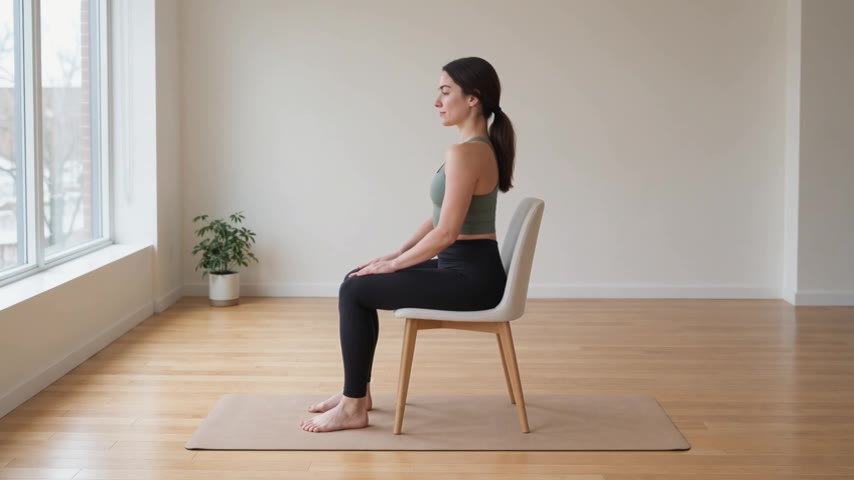
- Choose a stable chair and watch one movement before trying it. Start with gentle shoulder rolls or a small upper-body turn.
- Return to a comfortable starting position between repetitions. Use a range you can control and keep breathing.
- Record the practice you completed and how it felt. Choose the next session according to your available time.
Which page should you use next?
| Your task | Useful next step |
|---|---|
| I want exercises I can follow now | Use the guided exercise sequence and individual movement demonstrations. |
| I work at a screen | Check your workstation and choose an action for your next break. |
| I want a daily structure | Read the 90-day program and its first-week example. |
| I want to know how quickly things will change | Separate practice consistency from appearance and symptoms; read the progress guide. |
Avoid turning practice into another rigid position
A chin glide is a movement with a return, not a position to hold throughout your workday. Shoulder-blade practice also includes letting go. Do not create extra range by pulling on your head or forcing your shoulders downward.
If a movement brings pain, dizziness or numbness, stop. Persistent symptoms or an injury need advice from a qualified professional rather than another internet routine.
Where Renava fits
Renava provides guided sessions, short routines and a 90-day program structure on iOS and Android. Use the open demonstrations here to understand the movement format before deciding whether the app fits your day. The program duration is not a guaranteed time to change your body.
Questions about this guide
Can I improve posture without a brace?
This guide focuses on movement habits and practice. Whether a support device is appropriate is a separate question; do not treat a device or an app as a substitute for individual advice.
Do I need to sit perfectly straight all day?
The aim here is a workable setup and opportunities to change position. You do not need to hold a chin tuck or shoulder squeeze while working.
Which exercise should I start with?
Choose one demonstrated movement you can perform comfortably. Watch the shoulder-roll or seated-turn guide and read its steps before trying a larger sequence.
Sources and editorial notes
External sources provide background and have not reviewed or endorsed Renava. Instructions and routine details describe the app team’s own material.
Follow your next session in Renava
See guided sessions, the program and your practice record. Check the current free and paid access in the app or your store before subscribing.


Your next useful step
 GuideShoulder rolls: seated technique and common mistakesLearn seated shoulder rolls with a Renava demonstration, clear movement cues, common mistakes and a simple way to use them during a desk break.GuideFree desk tools: a break timer and workstation checklistChoose a practical tool for your next workday: time a break or review your setup. Both run in this page without an account; neither diagnoses posture.